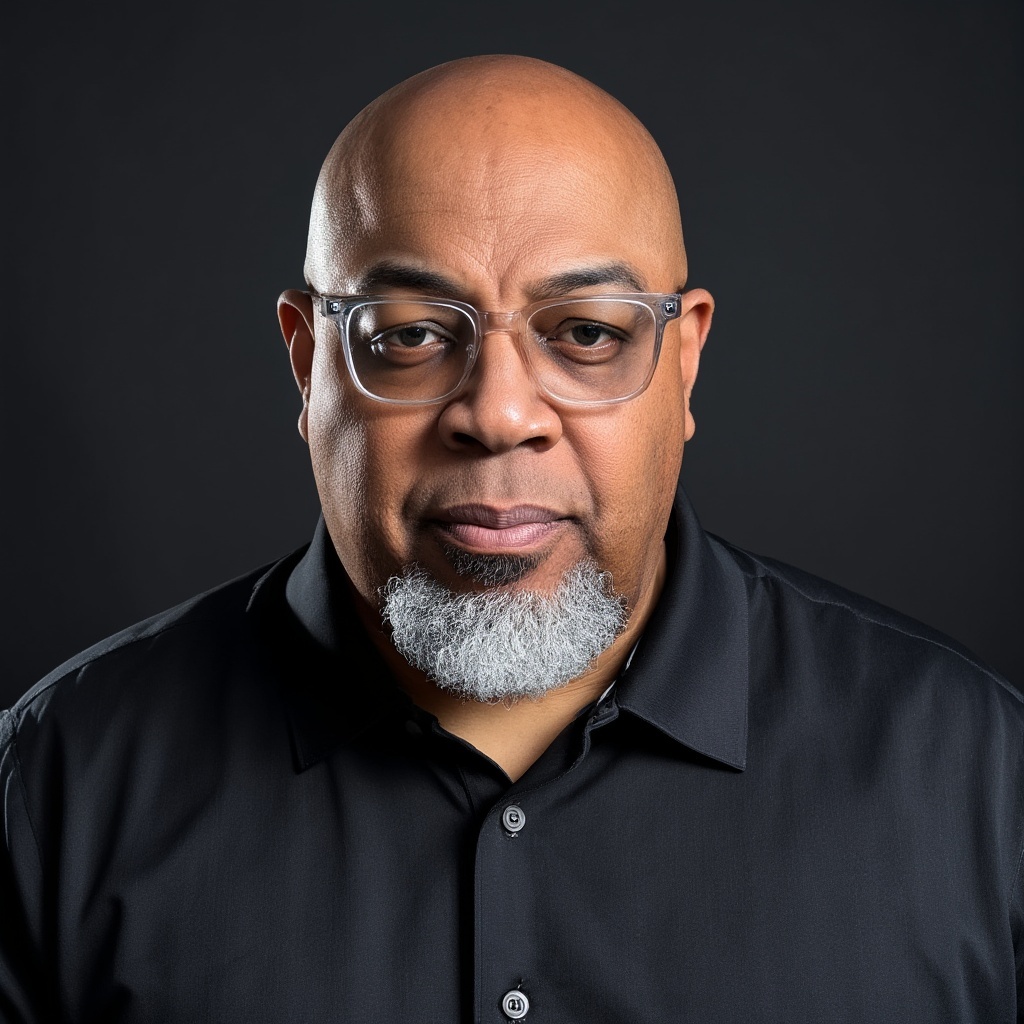
FOUNDER & ARCHITECT
Russell Betts
Because of my lived experience, I set out to understand why good people — trying hard, committed, and thoughtful — were still breaking down under sustained pressure, especially during midlife transitions.
A Letter from the Founder
What I kept encountering didn't fit the explanations most of us are given. I watched capable, thoughtful people do everything they were told to do: communicate more, stay calm, be patient. And again and again, those efforts made things worse.
Men weren't "emotionally unavailable." Women weren't "too sensitive." Couples weren't failing because they didn't care.
THEY WERE NAVIGATING SYSTEMS THAT HAD CHANGED WITHOUT A NEW MAP.
The Moment That Forced the Question
The problem wasn't effort. It was misdiagnosis. I saw that we were rushing to tools and techniques without understanding what the system actually needed.
The shift required moving from fixing behavior to diagnosing systemic load.
Why Menopause Changed the Conversation
Menopause — and the years leading up to it — exposes a truth most relationships are not designed to hold. It is not the cause of relational breakdown. It is the stress test that reveals the existing structural limits of the system.
Regulation
Processing
Thresholds
Safety Cues
The Work That Preceded the Framework

The Relational Intelligence™ framework was forged through the observation of thousands of midlife interactions.
Before the diagnostics were built, I authored The Good Husband's Guide to Menopause — a practical, grounded introduction to the relational realities of menopause. It provided men with the initial map needed to understand their partner's experience without withdrawal or blame.
From Fixing People to Diagnosing Systems
Who's wrong?
Who needs to change?
Who is doing more work?
What is the relationship responding to?
Where is strain concentrating?
What intervention fits the reality?
The Revelation–Integration Model™ serves as the guiding architecture for this work. It moves from seeing what is actually happening (Revelation) to carefully supporting how that clarity is lived with (Integration).
Why I Built Connected Through Change
Connected Through Change exists because most relationship support skips the most important step: Diagnosis. We rush to tools and techniques without understanding what the system actually needs.
I built an ecosystem that starts with clarity, uses structured assessments, and treats insight as orientation. We recommend action only when it fits the diagnostic reality of the relationship.
Why This Matters to Me Personally
I care about this work because I've seen what happens when people internalize blame for problems that are structural.
I was one of them.
I've seen men withdraw because nothing they do helps. I've seen women collapse under invisible emotional labor. I've seen families destabilize when language disappears. None of that is inevitable.
What I Hope This Work Gives You
CLARITY
Stop questioning your sanity.
LANGUAGE
Regain words for what is happening.
STEADINESS
Respond with structure instead of strain.
"Whether that leads to action, support, or simply relief — that decision should come from clarity, not fear."
Change is unavoidable.
Relational breakdown doesn't have to be.
— Russell Betts
FOUNDER, CONNECTED THROUGH CHANGECREDENTIALS & BACKGROUND
The Work Behind the Work
PROFESSIONAL HISTORY
Founder & CEO, Connected Through Change
Current
Founder, Relational Impact Institute
501(c)(3) nonprofit — relational intelligence research and education. Current.
Founder, RQ Kitchen
Software incubator applying Relational Intelligence principles. Current.
Chief Operating Officer, Make-A-Wish Ohio, Kentucky and Indiana
Twelve years leading operations for the largest Make-A-Wish chapter in the world, coordinating medical, community, volunteer, and family-facing systems at scale.
Chief Operating Officer, faith-based organization
Five years, organizational architecture and operations.
Solutions Architect, behavioral health systems
Enterprise systems integration across EMR, scheduling, and operational workflows.
Auditor and CPA, public accounting
Structural analysis and organizational audit.
CERTIFICATIONS & TRAINING
PUBLISHED WORKS
When Strength Stops Working
Book One, Relational Intelligence Series — #1 Amazon Bestseller, Interpersonal Relations (Kindle, Australia), May 2026.
Learn More →
The Good Husband's Guide to Menopause
Amazon Bestseller, Top 5 in Marriage and Menopause categories (US and Australia), December 2025.
Learn More →
Your Emotional DNA
Published
View on Amazon →
The Secret Sauce of Success
Published
View on Amazon →
SPEAKING
Relational Intelligence — framework, application, and field evidence
Midlife Transition as Relational Architecture
Leadership and Relational Intelligence
Ready to Understand the System?
Orientation begins by identifying what your relationship is actually responding to.