A PRIVATE COACHING PATHWAY
The Good Husband Private Pathway
A clearer, steadier way to respond when trying harder is no longer bringing you closer.
The Good Husband Private Pathway is a six-month private coaching and implementation experience for husbands facing serious distance, tension, or uncertainty during menopause.
It helps you understand the patterns affecting the relationship, change how you respond under pressure, and develop a more grounded way forward—even if your wife is not ready to participate.
- Six months
- Thirteen private sessions
- Structured between-session support
- Personalized implementation plan
$5,000 paid in full or six monthly payments of $900
Review your situation, clarify what you need, and determine whether the pathway is an appropriate fit. If it is not, Russell will recommend a more suitable next step.
Private coaching · No wife participation required · No guaranteed marital outcome
WANT A CLEARER STARTING POINT FIRST?
If you're not sure this is the right level of support, start with the assessment.
The Good Husband Private Pathway is not the right fit for every situation, and you do not have to guess. The Men’s Relational Assessment gives you a private, structured read on what may be happening—and, for some men, points toward this pathway as an appropriate next step.
If you would rather talk it through first, the Private Pathway Conversation is a no-obligation way to do that too.
TAKE THE ASSESSMENT FIRST →WHEN THE OLD RESPONSES STOP WORKING
The problem may not be how much you care. It may be the pattern you keep repeating.
Many husbands respond to relational uncertainty by doing more of what has always made them dependable.
They fix. Explain. Anticipate. Stay strong. Give space. Work harder to keep everything steady.
Those responses are not character flaws. They may have served the marriage well for years. But under menopause-related pressure, a familiar strength can begin producing an unfamiliar result.
- Fixing can be experienced as correction.
- Explaining can compete with being heard.
- Helping can begin to feel like management.
- Staying strong can hide your actual experience.
- Giving space can quietly become withdrawal.
The answer is not simply to try harder or become less involved. It is to understand the changing relational system and learn how to respond with greater clarity, steadiness, and choice.
THE WORK OF THE PATHWAY
Change your participation without taking responsibility for everything.
Over six months, the pathway helps you move from reacting to each difficult interaction toward a clearer and more sustainable way of participating in the relationship.
From
- Confusion about what is changing
- Repeated fixing, explaining, managing, performing, or withdrawing
- Conversations driven by urgency, fear, or the need for reassurance
- Trying to restore the relationship to how it worked before
- Feeling responsible for producing a particular response from your wife
- Uncertainty about what is and is not within your control
Toward
- Seeing the relational system more clearly
- Recognizing and interrupting automatic responses
- Remaining steadier under pressure
- Communicating with less hidden demand
- Supporting without managing or disappearing
- Establishing appropriate personal boundaries
- Adapting to the relationship’s current reality
- Making more grounded decisions about the way forward
The pathway can help you change how you understand, respond, and decide. It cannot guarantee that your wife will respond differently or that the marriage will produce a particular outcome.
YOUR SIX-MONTH PATH
Six milestones. One grounded way forward.
01 — See the system clearly
Separate observation from assumption, identify the pressure affecting the relationship, recognize your dominant response pattern, and clarify what is within your control.
You create: Current Relational System Map
02 — Become steadier under pressure
Recognize early activation, pause before reacting, interrupt automatic responses, and recover more constructively after a misstep.
You create: Personal Pressure Response Protocol
03 — Reduce conversational pressure
Listen without immediately solving, make requests without covert pressure, express your experience without assigning responsibility, and pause without punishing or abandoning.
You create: Personal Communication Practice Plan
04 — Support without managing
Distinguish support from supervision, responsibility from control, generosity from overfunctioning, and boundaries from withdrawal.
You create: Support and Responsibility Framework
05 — Build a new relational operating model
Stop measuring the present relationship only against the past. Test smaller practices suited to current capacity without requiring a particular response from your wife.
You create: Relational Experiment Plan
06 — Choose a grounded way forward
Evaluate progress, continuing pressure, unresolved concerns, personal limits, and the support or decisions needed for the next six months.
You create: Six-Month Integration Roadmap
HOW THE WORK HAPPENS
Enough support to create change. Enough space to practice it.
The pathway alternates private coaching with real-world application. Thirteen private sessions are held approximately every two weeks over about 26 weeks, giving you time to apply what you are working on in ordinary situations, notice what happens, and bring real observations back to the next session.
Thirteen private sessions
- One 90-minute orientation and mapping session
- Eleven 60-minute coaching and integration sessions
- One 90-minute closing integration session
- Sessions approximately every two weeks over 26 weeks
Structured between-session support
During integration weeks, you may submit one structured check-in covering:
- What happened?
- What did you notice?
- What did you try?
- Where did you become stuck?
- What is the one question you need help answering?
Russell responds in writing or by voice within two business days, Monday through Friday.
The practice rhythm
Learn → Apply → Observe → Review → Adapt
Between-session messaging is for reflection, clarification, and implementation support. It is not emergency support, real-time mediation, or unlimited access.
YOUR COMPLETE PATHWAY
Everything is organized around applying the work to your actual situation.
Personal assessment and interpretation
- Comprehensive intake
- Complete Men’s Assessment
- Private interpretation session
- Identification of relational pressure and response patterns
- Personalized six-month priorities
Private coaching
- Thirteen private sessions
- Application to real situations
- Structured practice design
- Midpoint and closing reviews
Between-session implementation support
- One structured check-in during integration weeks
- Written or voice feedback
- Adjustment of the current practice when needed
Six milestone tools
- Current Relational System Map
- Personal Pressure Response Protocol
- Personal Communication Practice Plan
- Support and Responsibility Framework
- Relational Experiment Plan
- Six-Month Integration Roadmap
Good Husband Complete Experience
- Paperback edition
- Immediate PDF edition
- Complete Men’s Assessment access
- Good Husband Tracker
Workshop access
- The New Model of Midlife Intimacy access during the six-month engagement
If you complete the Men’s Assessment before enrolling, that assessment becomes part of your orientation; you will not be asked to take a second version unnecessarily.
The value of the pathway is not the number of documents, calls, or materials. It is the structured process of applying them to your situation with personalized guidance, practice, and review.
THE INVESTMENT
Six months of private guidance and implementation support.
Paid in full
$5,000
Monthly installment option
6 × $900
$5,400 total
- Thirteen private sessions
- Structured between-session support
- Assessment and private interpretation
- Six personalized milestone tools
- Good Husband Complete Experience
- Workshop access
- Midpoint and closing reviews
Because the pathway includes private sessions, personalized review, and between-session support, intake is limited to five clients at a time.
The conversation is not a commitment to enroll. It is an opportunity to review fit, ask questions, and determine the most appropriate next step.
WHO THIS IS FOR
The pathway is designed for a husband prepared to work on his own participation.
It may be a good fit if:
- The relationship has experienced sustained distance, tension, or uncertainty
- Your attempts to help have produced inconsistent results or increased pressure
- You recognize that your usual responses may be part of the pattern
- You are willing to examine your own behavior
- You can begin without requiring your wife to participate
- You want private structure, feedback, and accountability
- You can devote one to two hours each week
- You can make the investment without creating financial instability
- You understand that your work cannot guarantee a particular response from your wife
WHEN ANOTHER PATH MAY BE BETTER
Not every difficult relationship situation belongs in a coaching program.
The Private Pathway is not appropriate if:
- You want Russell to establish that your wife is the problem
- You want techniques for persuading, monitoring, or controlling her
- You are unwilling to examine your own participation
- You require a guarantee that the marriage will improve
- You primarily need couples therapy or clinical mental-health care
- You require medical diagnosis or treatment
- The situation involves immediate danger, violence, active addiction, or acute mental-health crisis
- You need legal advice, emergency assistance, or crisis intervention
- The investment would create significant financial hardship
When another form of support is more appropriate, Russell will say so.
WHAT THE PATHWAY IS—AND IS NOT
Scope and boundaries
The pathway is
- Private coaching
- Structured education
- Behavioral practice
- Relational reflection
- Decision support
- Implementation accountability
The pathway is not
- Couples therapy
- Medical or mental-health treatment
- Crisis intervention
- Legal advice
- Mediation
- A diagnosis of your wife
- A method for controlling your wife
- A guarantee of reconciliation, restored intimacy, or a particular marital outcome
The pathway guarantees delivery of the coaching, assessment interpretation, support, and materials described on this page. It does not guarantee reconciliation, renewed intimacy, or any particular response from a spouse.
YOUR GUIDE
Russell Betts
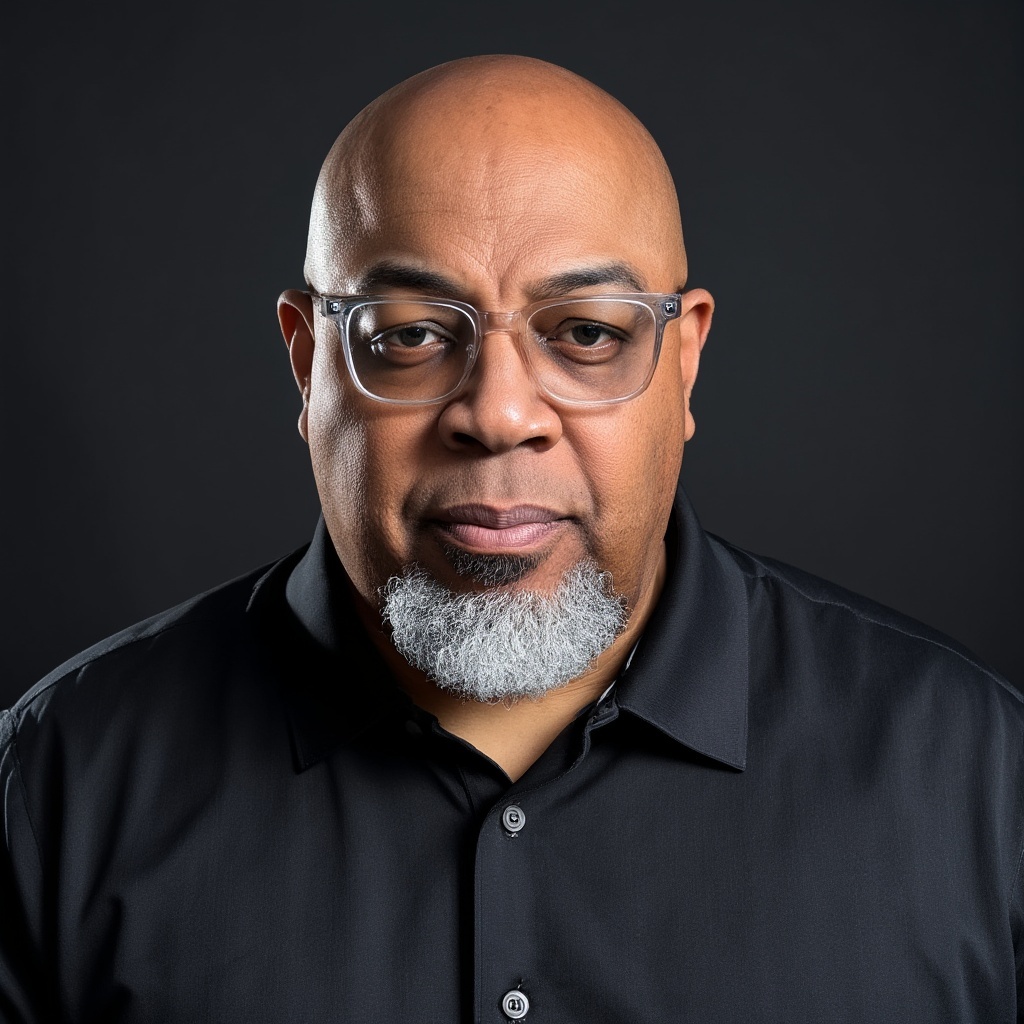
Russell Betts is the founder of Connected Through Change and the author of The Good Husband’s Guide to Menopause.
His work focuses on the relational effects of menopause and the patterns husbands often rely on when familiar ways of helping, communicating, and remaining strong stop working as expected.
Across more than thirty years of marriage, Russell has experienced how relationships must adapt when the conditions surrounding them change. The Private Pathway brings that lived perspective together with a structured process for helping men see their own participation more clearly, practice different responses, and make more grounded decisions.
Russell’s role is not to diagnose your wife, determine the future of your marriage, or tell you how to make another person change. His role is to help you understand your own patterns and build a more deliberate way of responding.
WHAT HAPPENS NEXT
Enrollment begins with fit—not payment.
1. Schedule a Private Pathway Conversation
Choose a 30-minute time to meet privately with Russell.
2. Review your situation
You will discuss what prompted you to look into this, what you have already tried, and what kind of support you are seeking.
3. Determine fit
Together, you will determine whether the Private Pathway is appropriate. If another resource, program, or professional would be more suitable, Russell will tell you.
4. Decide without pressure
If the pathway fits, you will receive the coaching agreement, payment options, intake form, and orientation-scheduling link. You do not need to make the decision during the conversation.
30 minutes · Private · No obligation to enroll
NOT READY FOR PRIVATE COACHING?
There are other useful places to begin.
The Good Husband Complete Experience — $39
Begin with the book, PDF edition, Complete Men’s Assessment, and Good Husband Tracker.
See the Complete Experience →The New Model of Midlife Intimacy — Free workshop
Learn why familiar forms of strength and support may stop working during menopause—and what husbands can begin doing differently.
View the Workshop →Men’s Connection and Communication Foundations
A six-week live cohort for men who want structured group support in becoming calmer, more connected, and more present under pressure.
Explore the Men’s Cohort →Choosing a lower-commitment starting point does not close the door to private coaching later.
FREQUENTLY ASKED QUESTIONS
YOUR NEXT STEP
You do not need to have the entire marriage figured out before deciding how you want to participate in it.
If the relationship feels different and your familiar responses are no longer creating the connection you intended, the next step is not necessarily to try harder.
It may be to slow down, understand the pattern, and build a steadier way of responding.
The Private Pathway Conversation gives you a place to review your situation, clarify what you need, and determine whether six months of private guidance is an appropriate investment.
30 minutes · Private · No obligation to enroll
If the pathway is not the right fit, you will leave with a clearer next step.
Schedule Your Private Pathway Conversation
Choose a 30-minute time to review your situation and determine whether the Good Husband Private Pathway is an appropriate fit.
Confirm the acknowledgment above to open the scheduling calendar.
This conversation is not crisis, medical, legal, or therapeutic support. See our Privacy Policy and coaching-scope notice.
Six-month pathway · $5,000